Discover the Versatility of Aluminum Castings: Important Facts and Providers You Should Know
Light weight aluminum castings are significantly recognized for their flexibility throughout various industries. Their light-weight nature, rust resistance, and strength-to-weight proportion make them a recommended choice in lots of applications. From vehicle to aerospace, the adaptability of these castings is amazing. Yet, the techniques of manufacturing and the array of services available usually go undetected. Understanding these elements can greatly impact job outcomes and effectiveness. What vital facts and solutions should one think about when checking out aluminum castings?
The Quality That Make Aluminum Castings Suitable for Various Industries
Aluminum castings have a distinct mix of properties that render them extremely suitable for a vast array of sectors. Their lightweight nature is one of the most substantial advantages, enabling for simpler handling and decreased transportation expenses (Wisconsin Aluminum Foundry). Light weight aluminum spreadings additionally show excellent corrosion resistance, which lengthens the life expectancy of elements in difficult environments. On top of that, they use good thermal and electrical conductivity, making them ideal for applications calling for efficient heat dissipation or electric links
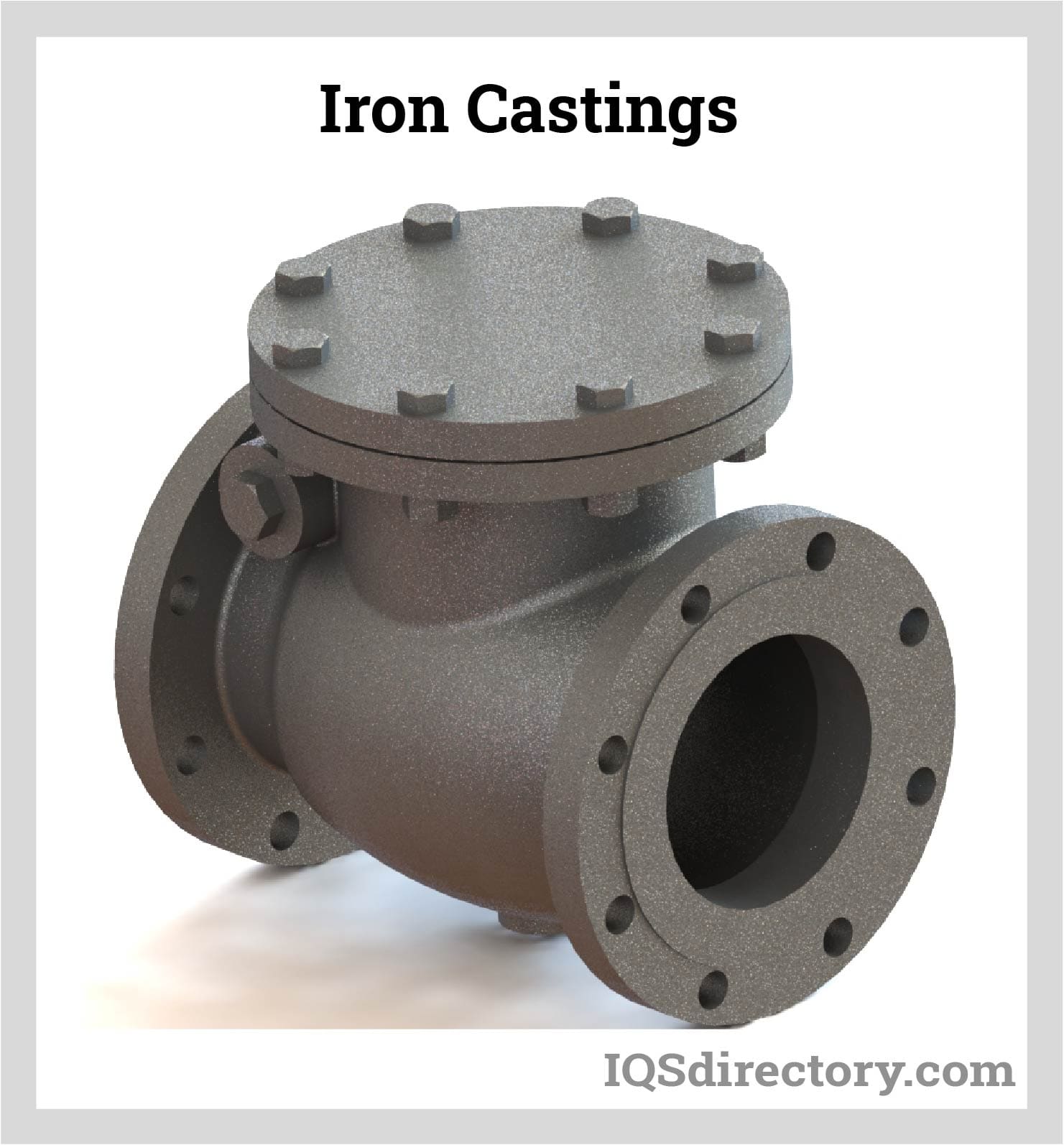
Usual Applications of Aluminum Castings

Furthermore, the electrical industry often uses light weight aluminum spreadings for units and real estates, helping with efficient warmth dissipation and boosting safety. The durable goods sector utilizes light weight aluminum spreadings in products such as cookware and furniture, where appearances and functionality are critical.
The aquatic sector counts on aluminum castings for components that sustain rough atmospheres, such as watercraft hulls and installations. Overall, light weight aluminum spreadings offer a multitude of functions, showcasing their adaptability and important function in contemporary manufacturing procedures.
Various Casting Approaches Described
Recognizing the different spreading methods is crucial for selecting the appropriate method for aluminum castings. Two prominent methods, sand spreading and pass away spreading, offer distinctive benefits and applications. Each technique's special characteristics influence the last product's quality and suitability for specific uses.
Sand Casting Refine
While various casting techniques exist, sand casting continues to be among the most extensively utilized techniques due to its adaptability and cost-effectiveness. This process includes creating a mold and mildew from a blend of sand and a binding representative, which creates the dental caries into which liquified light weight aluminum is put. The sand mold can be easily formed and recycled, enabling the production of intricate geometries. Once the aluminum solidifies, the mold and mildew is escaped, revealing the actors part. Sand spreading is particularly suitable for low to tool production volumes, making it excellent for custom-made elements. Its adaptability to various sizes and forms, coupled with the capability to suit elaborate layouts, better boosts its popularity in numerous industries.
Pass Away Casting Techniques
Pass away spreading represents a distinctive approach in the field of aluminum spreading techniques, offering high precision and effectiveness for mass production. This approach includes forcing molten light weight aluminum into a mold and mildew under high pressure, guaranteeing a top notch coating and limited resistances. There are two key types of die casting: hot chamber and cold chamber. Hot chamber die casting appropriates for reduced melting point alloys and enables for fast production cycles. On the other hand, cool chamber die spreading is made use of for materials with higher melting factors, requiring the aluminum to be ladled right into the chamber. Both strategies make it Wisconsin Aluminum Foundry possible for the production of complex styles and complicated forms, making pass away casting a preferred selection for industries such as automotive, aerospace, and consumer items.
Benefits of Making Use Of Aluminum Castings
Countless benefits make aluminum spreadings a favored selection throughout numerous industries. To start with, light weight aluminum's lightweight nature substantially minimizes the general weight of items, improving their performance and performance. In addition, light weight aluminum spreadings display excellent deterioration resistance, which lengthens product life-span and minimizes maintenance prices. The material's high thermal and electrical conductivity also makes it ideal for applications in automobile and electronic devices fields.
Light weight aluminum castings can be produced with intricate layouts, enabling producers to create intricate forms that meet particular needs. This versatility not just supports innovative designs yet additionally minimizes the need for extra machining procedures, saving time and resources. Likewise, light weight aluminum's recyclability aligns with sustainability goals, interesting environmentally conscious businesses. Collectively, these benefits setting aluminum castings as a remarkable option for a vast range of applications, making certain longevity, efficiency, and cost-effectiveness in today's affordable market.
Providers Used by Light Weight Aluminum Spreading Manufacturers
Furthermore, they usually offer numerous casting methods, such as sand casting, pass away casting, and investment casting, each suited for various job requirements. Quality guarantee is another essential solution, with suppliers implementing strenuous testing and inspection procedures to assure that spreadings satisfy market criteria.
In addition, aluminum casting business usually aid with completing services, including machining, surface area therapy, and layer, boosting the last item's durability and visual allure. Ultimately, they may give logistical support, ensuring timely delivery and efficient supply chain monitoring to satisfy customer due dates.
Tips for Picking the Right Aluminum Spreading Partner
Picking the ideal light weight aluminum casting partner can greatly influence the success of a job (Wisconsin Aluminum Foundry). To guarantee compatibility, business need to first assess the partner's sector experience and technical competence. A service provider with a strong background in certain applications can use valuable understandings and innovative remedies
Next off, it is essential to review the quality control procedures in position. A trusted companion will stick to strict high quality requirements and give accreditations where suitable. Furthermore, reviewing previous jobs and customer testimonies can provide a more clear understanding of the partner's abilities and dependability.
Cost-effectiveness is also essential; nonetheless, it must not compromise top quality. Business must look for a balance between price and the degree of solution offered. Open interaction and responsiveness are crucial attributes. A partner that focuses on collaboration fosters an efficient working partnership, eventually bring about successful project results.
Regularly Asked Inquiries
Can Light Weight Aluminum Castings Be Fixed if Harmed?
Yes, aluminum spreadings can be repaired if harmed. Aluminum Foundry. Methods such as welding, brazing, or sticky bonding are typically used, depending upon the level of the damages and the particular needs of the repair process
Exactly How Do Aluminum Castings Contrast to Various Other Steels?
Light weight aluminum castings are lighter, corrosion-resistant, and a lot more flexible compared to other metals like steel or iron. Their exceptional thermal conductivity and recyclability make them a recommended option in numerous sectors, enhancing versatility and performance.
What Is the Life-span of Light Weight Aluminum Castings?
The life-span of aluminum castings commonly ranges from 10 to half a century, depending upon ecological conditions, alloy structure, and application. Proper maintenance and protective procedures can substantially enhance their toughness and durability in numerous settings.
Are Light Weight Aluminum Castings Recyclable?
Yes, light weight aluminum castings are recyclable. They can be melted down and repurposed without shedding their fundamental properties, making them an eco-friendly option. This reusing process adds to sustainability and minimizes the need for new light weight aluminum production.
How Do I Preserve Aluminum Castings?
To keep light weight aluminum castings, one must consistently cleanse them to remove dirt and oxidation, apply safety coatings to stop rust, and inspect for damages to assure longevity and architectural stability in different applications.
The convenience of aluminum spreadings enables their extensive usage throughout different sectors. Recognizing the different casting techniques is vital for choosing the ideal technique for aluminum castings. Die spreading represents a distinctive strategy in the field of light weight aluminum casting techniques, supplying high precision and performance for mass production. Many benefits make light weight aluminum spreadings a preferred option across different sectors. Furthermore, they typically offer various casting approaches, such as sand casting, pass away casting, and financial investment spreading, each suited for different task needs.
Comments on “Wisconsin Aluminum Foundry: Optimizing Strength-to-Weight Ratios”